

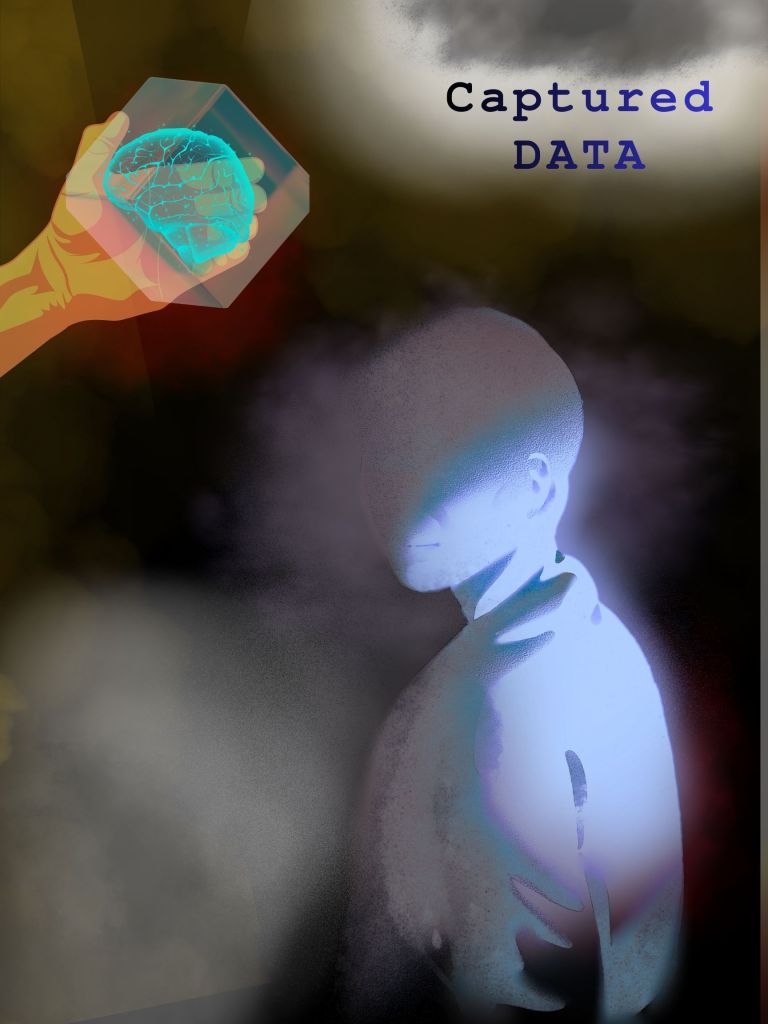
Some people believe neuro rights are unimportant. They assume the mind is still a private place, untouched by technology, untouched by industry, untouched by the world around them. They believe “it won’t happen to me,” the same way people once believed identity theft, data breaches, or digital surveillance were distant problems.
But the truth is simple:
You have rights — including the right to your own mind.
And organizations like Advocacy for Neuro Rights exist to stand beside you when those rights feel shaken.
Why Some People Think Neuro Rights Don’t Matter
– They assume the brain is unreachable.
– They trust that technology will always be used ethically.
– They believe harm only happens in science fiction.
– They’ve never experienced cognitive intrusion, manipulation, or unexplained neurological distress.
– They don’t realize how quickly emerging technologies are evolving.
For many, neuro rights feel abstract — until something happens that makes the issue personal.
Why Neuro Rights Do Matter
Your brain is the core of your identity.
When it is disrupted, invaded, or influenced without consent, the consequences can be life‑altering.
As technologies become smaller, faster, and more integrated into daily life, they also become easier to misuse. Bad actors can exploit data systems, environmental vulnerabilities, and emerging neuro‑interactive tools in ways that affect cognition, mood, and personal autonomy.
These experiences can leave people feeling:
– invaded
– tampered with
– mentally or physically destabilized
– unsure where to turn
And the symptoms can mimic mental health conditions, creating confusion, stigma, and misdiagnosis. That’s why careful assessment, supportive services, and non‑clinical guidance matter.
Our Role
Advocacy for Neuro Rights provides:
– confidential, non‑clinical support
– medical‑legal insight
– community health guidance
– autonomy‑centered decision support
– a decade of experience working with individuals who feel cognitively or physically compromised
We help clients sort through what they’re experiencing, understand their options, and regain a sense of clarity and control.
We recognize that emerging technologies, environmental pressures, and digital systems can influence neurological well‑being. International bodies — including the United Nations — have acknowledged the importance of mental privacy, cognitive liberty, and protections for vulnerable populations.
The age of new mind‑interactive technology is here.
And with it comes the need for rights that protect the most personal part of being human.
Why This Matters for You
You don’t expect harm while you’re at work, at the dentist, or going about your day. But when something feels wrong — when your sense of self feels disrupted — you deserve a place to turn.
You deserve to retain your autonomy.
You deserve to understand what’s happening.
You deserve support that respects your dignity and your decisions.
As the world changes, we work to ensure that humanity keeps its most essential freedom:
the right to think, feel, and exist without unwanted interference.
